Dubrovnik has dozens of restaurants serving seafood. Most of them have a terrace, a view, and a menu with grilled fish, black risotto, and octopus. From the outside, they look identical.
The difference between a meal you will remember and one you will not shows up in details most menus do not advertise.
Here is what those details actually are – and how to check for them before you sit down.
Fresh vs. Frozen: The Question No One Asks
Adriatic seafood has a reputation for quality, and that reputation is well-earned when the fish is genuinely fresh. The problem is that “fresh” on a menu in a tourist-heavy city is not a legal term. It means whatever the kitchen decides it means.
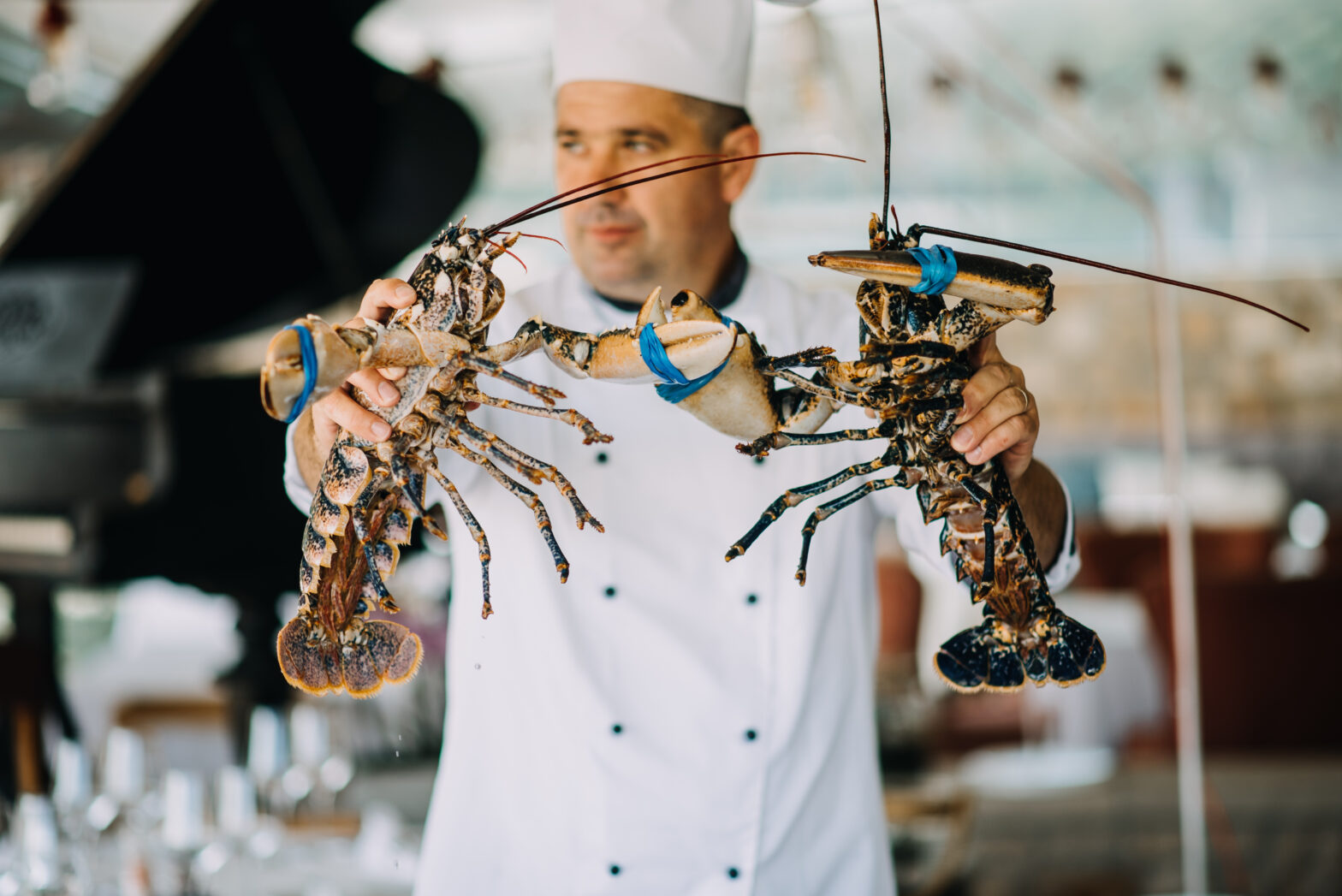
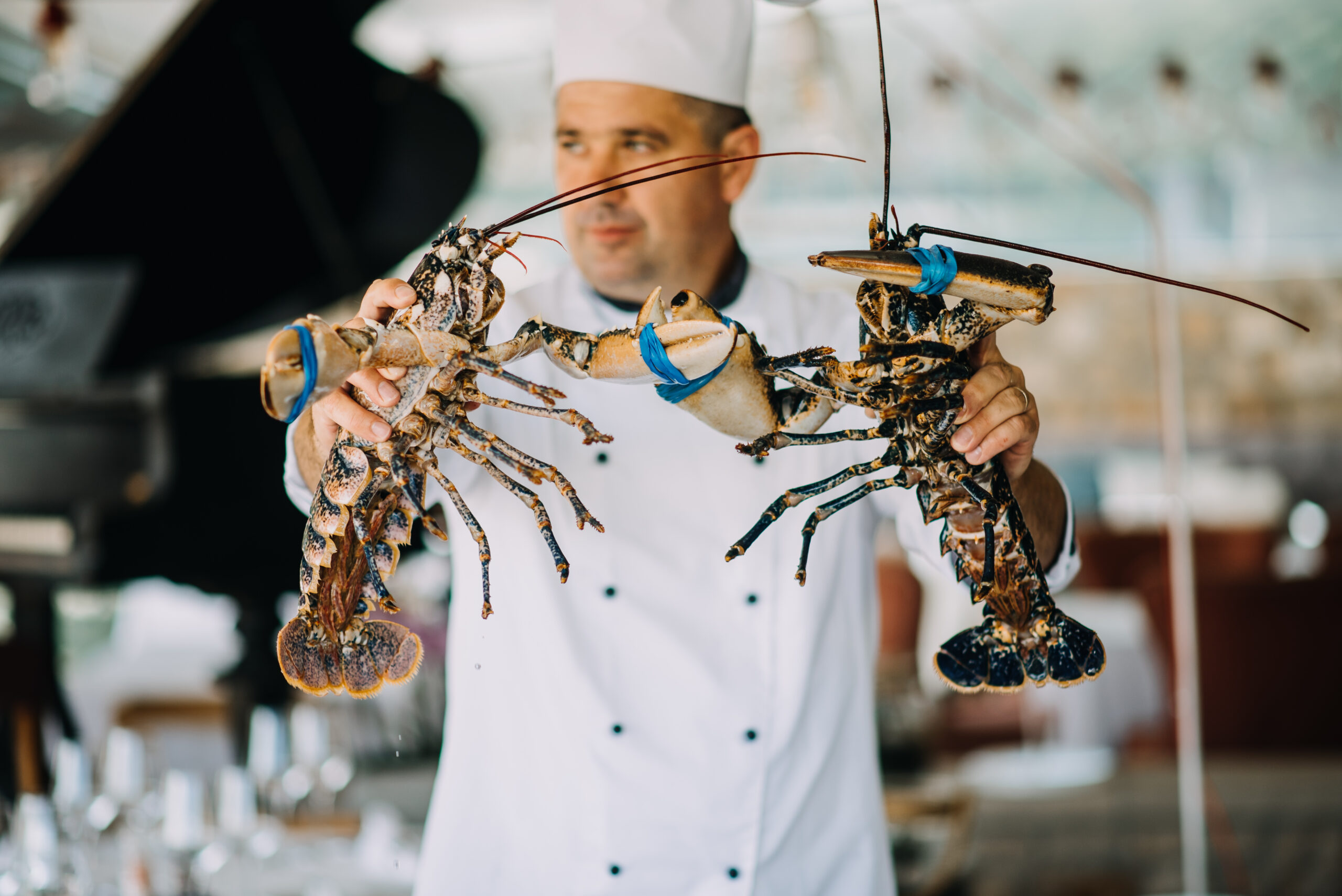
A real indicator: whether the restaurant has a live lobster tank. Lobster deteriorates faster than almost any other seafood once it dies – a restaurant that keeps lobster alive until the moment it is ordered is one that has made a structural commitment to freshness. That costs money and requires daily logistics. It is not something restaurants do for show.
Similarly, the best seafood restaurants in Dubrovnik receive their fish catch from local Adriatic fishermen each morning. Ask the waiter what came in today. If they can answer with specifics – the type of fish, where it was caught – you are in the right place. If they point vaguely to the menu, you are not.
What Adriatic Seafood Actually Tastes Like (When It Is Done Right)
The Adriatic is a relatively shallow, semi-enclosed sea with lower salinity than the open Atlantic or Pacific. This produces seafood with a cleaner, more delicate flavour – less briny, more sweet – particularly in white fish, shellfish, and lobster.
Spiny lobster from the Adriatic (Palinurus elephas) has a different flavour profile to the clawed lobsters more common in northern Europe or North America – firmer texture, sweeter meat, no claw to distract from the tail. A kitchen that understands this will build dishes around the lobster rather than smother it in heavy sauce.
Good Adriatic tuna is similarly distinct – leaner than Pacific bluefin, with a cleaner finish. In Dubrovnik, you will often find it served seared, which works well if the fish is fresh enough to handle minimal cooking without drying out.
How to Read a Dubrovnik Seafood Menu
A few things that signal quality:
A short menu. A kitchen that has thirty seafood dishes is sourcing from multiple suppliers and not changing its offering based on what is fresh. A shorter menu with seasonal and daily specials written separately from the printed menu means the kitchen is working around what came in that morning.
Specific preparations, not generic descriptions. “Grilled fish” tells you nothing. A menu that says “anglerfish stew with vegetables and olive oil” or “lobster ravioli with crab sauce and grilled lobster tail” is showing you what the kitchen actually does – its technique, not just its ingredient list.
Local wine pairing logic. Dalmatian white wines – particularly those from the Peljesac peninsula and the islands – pair well with Adriatic seafood in ways that generic imported whites do not. A restaurant that knows its wine list and can recommend something specific from the region is paying attention to the whole experience, not just the protein.
Restaurant Posat: What It Offers in Practice
Restaurant Posat sits above the city walls near Pile Gate, with a terrace that looks directly at Dubrovnik’s Old Town and the Adriatic Sea.
The kitchen works with Adriatic seafood arriving daily. Lobster is kept alive and cooked to order – the dish called Lobster & Lobster uses homemade ravioli filled with lobster meat, served with crab sauce, topped with a grilled lobster tail. It is one dish that shows what the kitchen is capable of rather than what it defaults to.
Other examples from the menu: tuna seared in sesame seeds with cold squid ink sauce and beet risotto; Mediterranean scallops with arugula pesto; grilled octopus with creamy polenta, tomato sauce, and truffle. These are not safe, tourist-facing dishes – they show technique and a point of view.
The terrace is suitable for a dinner that takes its time. The location means you are close enough to the Old Town to walk back, far enough from the main Stradun crowds to actually hear the conversation at your table.
Practical Checklist Before Booking a Seafood Restaurant in Dubrovnik
- Does the restaurant have live lobster, or is lobster listed as a frozen product?
- Can staff tell you what fresh fish came in today?
- Is the menu short with daily specials, or long and unchanging?
- Does the kitchen use Croatian wines and can they recommend by dish?
- Is the terrace booked out most evenings? (An empty terrace in summer is a warning sign.)
Restaurant Posat answers all of these correctly.